

Roll-On vs Spray-On vs Drop-In Bedliners: What to Choose and Why
13th Feb 2026 by Posted by D&S Automotive
Truck bed liners solve a simple problem: cargo and weather wear out a truck bed. The best option depends on how you use the truck, how much you care about long-term corrosion protection, and whether you want a removable liner or a permanent coating.
This guide compares drop-in bedliners and spray-in bedliners, with a practical section on roll-on (DIY) coatings. It focuses on real-world outcomes: protection, rust risk, durability, maintenance, repairability, and cost drivers.
What “Drop-In” and “Spray-In” Actually Mean
Drop-in bedliner
A drop-in liner is a pre-formed plastic liner (often molded to a specific truck model) that sits inside the bed. It protects the bed from impacts and abrasion by taking the abuse instead of the factory paint. Drop-ins are typically removable and replaceable.
Spray-in bedliner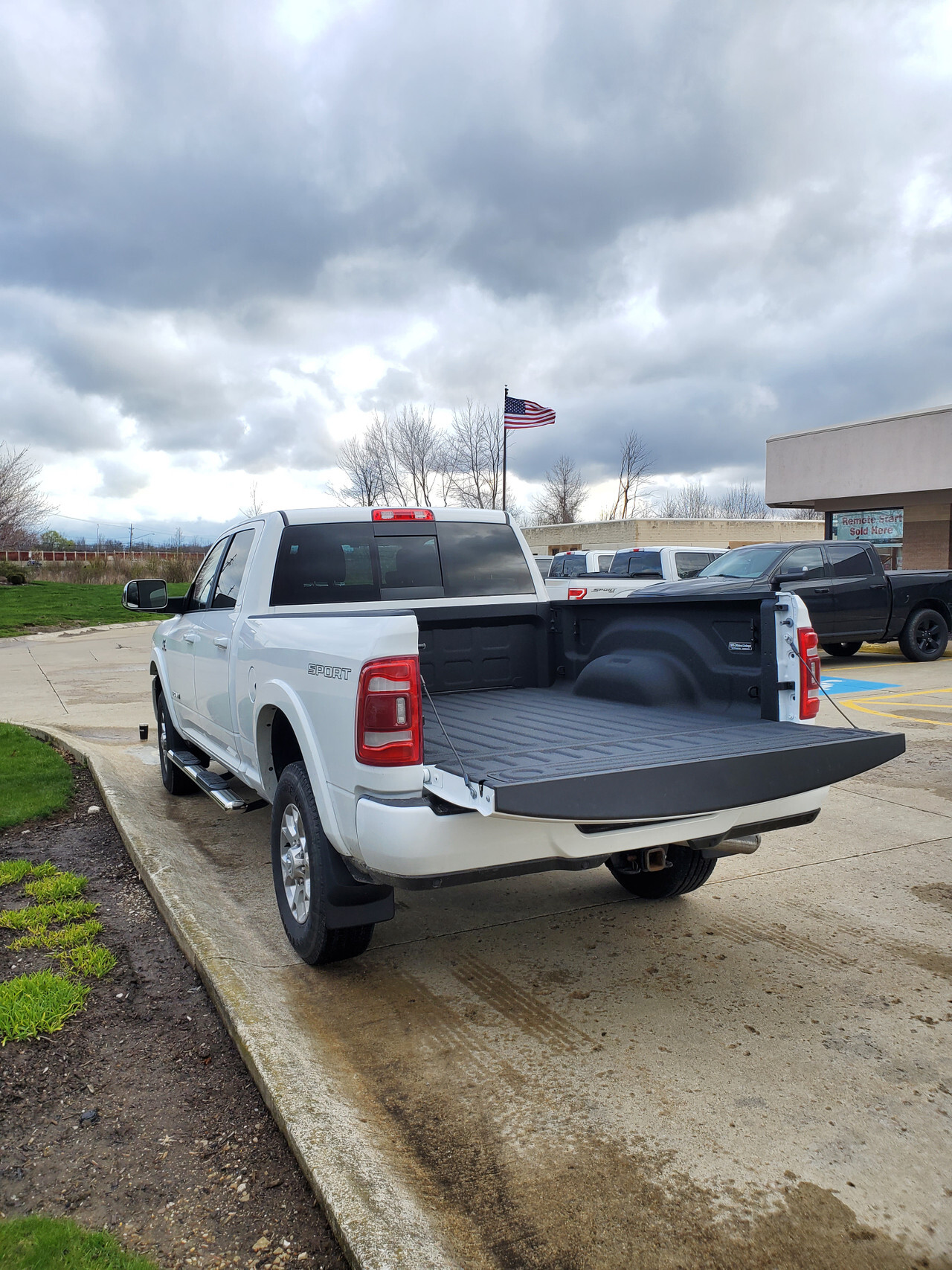
A spray-in liner is a coating applied directly to the bed surface, creating a continuous layer that bonds to the bed. Many professional spray-in systems use polyurea, polyurethane, or hybrids of the two, and are applied with specialized equipment.
Roll-on bedliner (DIY)
A roll-on liner is a do-it-yourself coating (often polyurethane-based) applied with rollers/brushes. It aims to mimic the protective, textured surface of sprayed coatings, but application quality depends heavily on preparation and technique.
Durability and Protection: Scratches, Impacts, and Everyday Abuse
Drop-in: strong impact protection, but not seamless
Drop-in liners are rigid and can take hits from shifting cargo. For frequent hauling of rough items (blocks, firewood, tools), the liner itself is the sacrificial surface. Many owners like that it’s easy to replace if it gets gouged or cracked.
Tradeoff: Because a drop-in is not bonded to the bed, protection is not “sealed.” Dirt and debris can work into gaps, and the liner can rub against the painted bed over time—especially if it loosens or if heavy cargo causes movement.
Spray-in: bonded coating that resists peeling and shifting
Spray-in coatings are valued because they adhere to the bed and form a continuous surface. That matters for long-term wear: there’s no rigid insert shifting around, and coverage can extend up bed walls and around contours.
Many professional systems use polyurea or polyurethane chemistries. Industry discussions note that spray-on bedliners commonly fall into pure polyurethane, pure polyurea, or hybrids, with performance differences tied to properties like tensile strength, elongation, tear strength, and hardness.
Rust and Moisture: The Biggest Practical Difference
Drop-in liners can allow trapped moisture and debris
The most repeated concern with drop-in liners is water and debris accumulation underneath. If moisture, road salt, or dirt sits between the liner and the bed, corrosion risk can increase on steel beds—especially if paint gets worn through where the liner rubs. This is a common real-world complaint from truck owners and forums.
It’s also worth noting that not every drop-in liner behaves the same. Some manufacturers argue modern, model-specific liners fit better and allow airflow, and they push back on the idea that all drop-ins “trap water.”
What’s factual to take away: a drop-in liner is not a seal. If water can enter, it can remain until it evaporates or drains. Whether that becomes a problem depends on fit, drainage, local climate (salt), and maintenance.
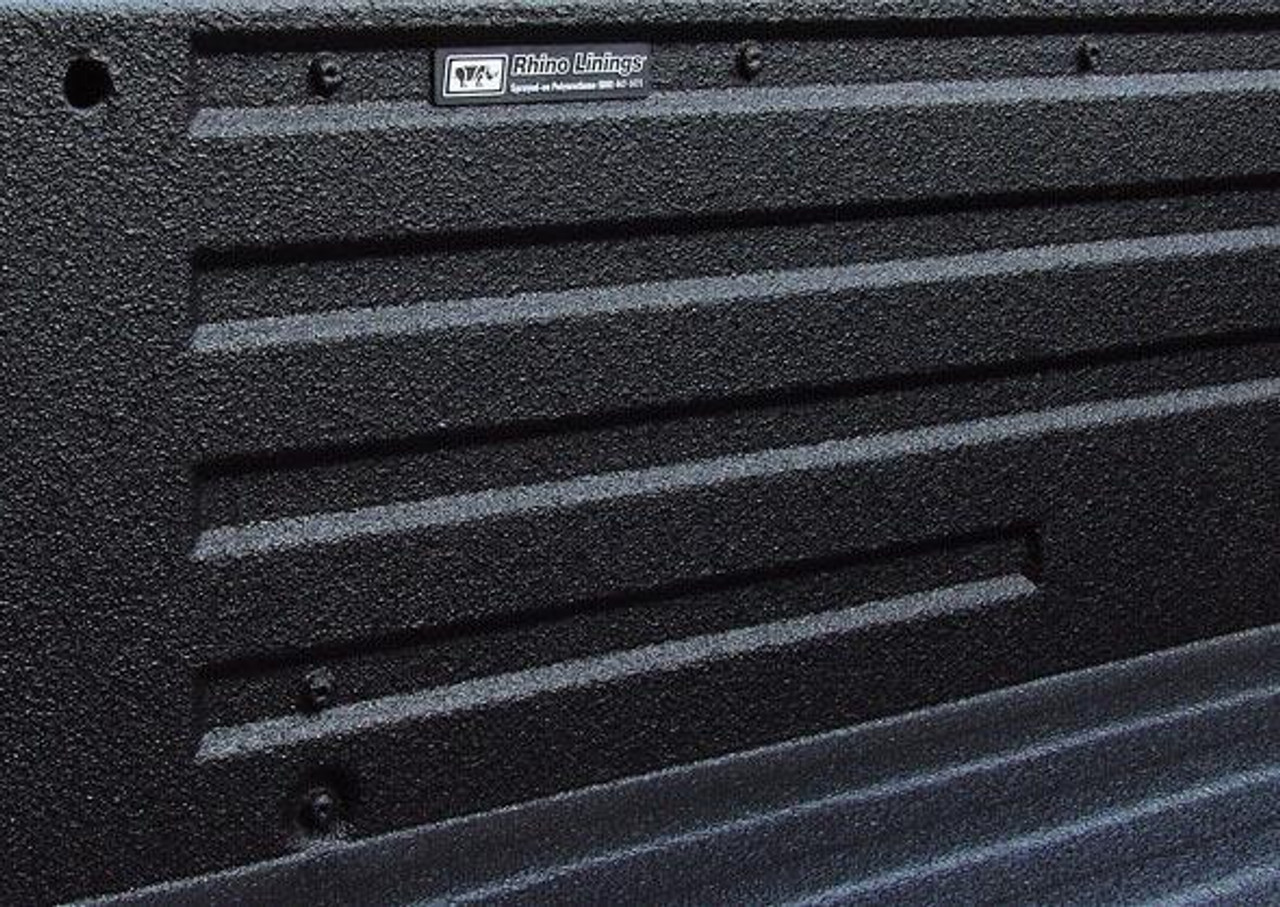 Spray-in liners are commonly marketed as a moisture barrier
Because spray-in coatings bond to the bed and cover seams and surfaces, they’re commonly positioned as protection against moisture intrusion and corrosion. LINE-X and Rhino Linings both describe moisture resistance and corrosion protection as benefits of their spray-on systems.
Important nuance: a spray-in liner is not magic armor. If the coating is poorly prepped, applied too thin, or damaged and left unrepaired, corrosion can still occur at exposed metal. The key variable is the quality of surface prep and application. Many professional installers emphasize prep for adhesion and warranty support. At D&S, we follow a meticulous surface preparation process and apply premium-grade liners to manufacturer specifications to ensure maximum adhesion, durability, and long-term corrosion protection.
Installation and Maintenance
Drop-in: fastest install, easiest to remove
Drop-ins are typically installed by setting the liner in place and securing it (method varies by product and truck). This is the easiest path if you want a removable solution, or if you might switch trucks and want to reuse it (when fit allows).
Maintenance reality: If you run a drop-in, plan to periodically remove it (or at least lift sections if possible) to rinse out trapped dirt and check for moisture buildup. The need is greater in wet climates or where road salt is common.
Spray-in: prep is the job
Spray-in liners require cleaning, scuffing, masking, and correct application for good adhesion. That’s why professional application is common and ultra important.
Cleaning: The textured surface can be grippier, which helps cargo stay put, but can also hold dust or grit. Owners often use a hose and brush; the texture is part of the trade.
Repairability and Long-Term Ownership
Drop-in: replace the liner
If a drop-in cracks or deforms, replacement is straightforward. That replaceability is a real advantage for harsh commercial use.
Spray-in: repair is possible, but depends on the system
Spray-in coatings can be repaired, especially by the original installer or brand network. Rhino offers a coating restorer that can be used to restore old linings.
Cost: What Drives Price
Exact pricing varies by region, bed size, and product tier. That said, sources describing typical U.S. pricing consistently frame drop-ins as the lower-cost option and professional spray-ins as higher-cost, largely due to materials, prep labor, and equipment.
Instead of fixating on one number, evaluate cost like this:
- Drop-in: material cost + minimal labor; replacement is easy.
- Professional spray-in: prep + application + product chemistry; often sold with warranty coverage.
- DIY roll-on/spray kits: lower upfront spend, but results depend on prep and application skill.
Roll-On vs Spray-On
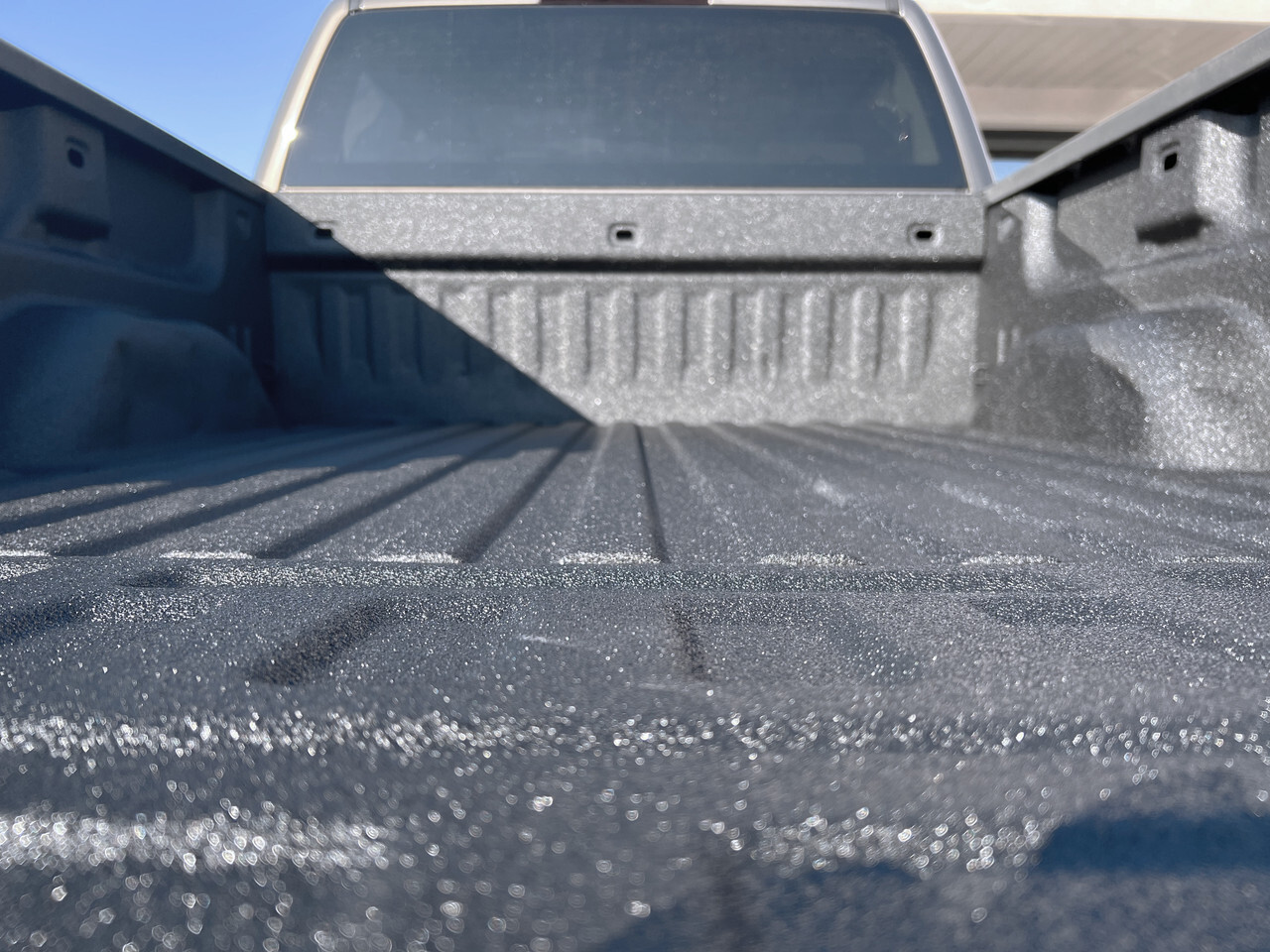
DIY products like roll-on polyurethane kits are designed to create a textured protective coating and are marketed as resistant to chipping, flaking, and peeling when applied correctly.
Where DIY can fall short versus professional spray application is consistency:
- achieving even thickness
- avoiding missed edges or thin spots
- prep quality (degreasing, sanding, drying)
- cure conditions
If you’re choosing between roll-on and spray-on, the most honest answer from the aftermarket space is that neither is “always better”—it depends on budget, time, and willingness to do meticulous prep. Spray on linings offer peace of mind that your bed will be protected for the long haul.
Which Bedliner Should You Choose?
Choose a drop-in liner if…
- You want removability and quick installation.
- You haul heavy, abrasive cargo and prefer a replaceable sacrificial insert.
- You’re willing to inspect and clean underneath to reduce moisture/debris buildup risk.
Choose a professional spray-in liner if…
- You want seamless coverage and a coating bonded to the bed.
- You care most about long-term corrosion protection and reducing places where water can sit.
- You want repair support through an installer/brand network.
Choose a roll-on liner if…
- You want a coating-style liner but prefer DIY.
- You can commit to prep work and careful application.
Professional Bedliner Installation at D&S Automotive
Choosing the right bedliner is important, but having it installed properly matters just as much. D&S Automotive offers premium bedliner systems and professional installation services throughout Northeast Ohio. Whether you’re protecting a new truck or upgrading an older one, our team ensures proper prep, precise application, and durable results built to handle work and daily use. Contact D&S Automotive to learn more about our bedliner options and schedule your installation.
BROWSE BEDLINERS
Visit the D&S Showroom: Your Go-To for Truck Accessories
Situated in Mentor, Ohio, D&S Automotive is the ultimate destination for all truck accessory needs in Northeast Ohio. From tonneau covers to truck lift kits, they’ve got you covered. Their showroom is stocked with renowned brands such as XD Series, Rough Country, Raptor Series.
If you’re seeking a transformation from ordinary to extraordinary for your truck, D&S Automotive is the place to be. Their team of experts will guide you to choose the best accessories tailored to your needs.
When it comes to accessorizing your truck, trust only the best. Let D&S Automotive do the work, and you’ll see why they are Lake County’s top shop for everything truck-related.
Comments are closed.
Contact Information:
Phone: (440) 946-2178Address: 7588 Tyler Blvd Mentor, Ohio 44060
Showroom Hours: Mon – Fri: 8:00am – 5:30pm Sat, Sun: CLOSED
Recent Blog
Body Repair Shops Near Me: A Northeast Ohio Guide to Collision Repair
10th Mar 2026 by Posted by D&S Automotive
Home > Body Repair Shops Near Me: A Northeast Ohio Guide to Collision Repair at D&S Automotive Po […]
Auto Body Repair Near Me: Collision Repair You Can Trust at Six D&S Automotive Locations in Northeast Ohio
10th Mar 2026 by Posted by D&S Automotive
Home > Auto Body Repair Near Me: Collision Repair You Can Trust at Six D&S Automotive Locations i […]
The Real Dangers of DIY Bedliners
13th Feb 2026 by Posted by D&S Automotive
Roll-on and aerosol bedliner kits promise a simple weekend upgrade. The marketing is straightforwar […]